.svg)
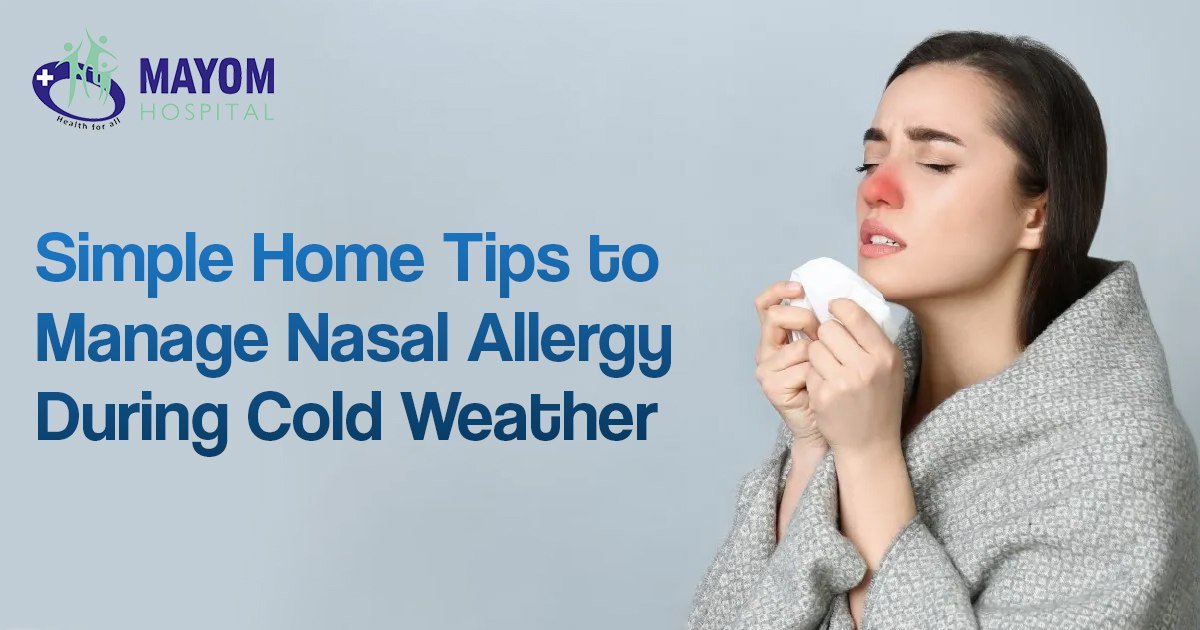
Simple Home Tips to Manage
Nasal Allergy During Cold Weather
As the temperature drops, many people
start experiencing constant sneezing, a runny or stuffy nose, and itchy eyes.
These are classic symptoms of nasal
allergies, which tend to worsen during cold weather due to dry air, indoor
dust, and increased exposure to allergens. Managing these symptoms early can
make a big difference in your comfort and overall health. The good news is that
with a few simple home remedies—and timely medical advice from the Best
ENT Specialist in Gurgaon—you can control your nasal allergies
effectively.
Understanding Nasal Allergy
Nasal allergies occur when your immune
system reacts to harmless substances like pollen, dust mites, or pet dander.
During winter, indoor allergens such as mould, smoke, and dust often trigger
these reactions. Visiting an experienced Nasal
Allergy Doctor in Gurgaon can help identify the root cause and provide a
customised Seasonal Allergy Treatment in
Gurgaon.
Common Symptoms of Nasal
Allergy
- Sneezing and congestion
- Itchy or watery eyes
- Runny or stuffy nose
- Fatigue and disturbed sleep
- Post-nasal drip or throat irritation
If these symptoms persist for more than a
few days, it’s essential to consult a doctor to rule out sinus infections or
chronic allergic rhinitis.
Simple Home Tips to Manage
Nasal Allergy
Here are a few effective home remedies
and lifestyle tips that can help ease your discomfort during cold weather:
1. Keep Your Home
Dust-Free
Clean your surroundings regularly using a
damp cloth to prevent dust from circulating in the air. Vacuum carpets and
upholstery weekly and wash bedding in hot water to kill dust mites.
2. Use a Humidifier
Winter air tends to be dry, which
irritates your nasal passages. Using a humidifier can add moisture to the air
and reduce nasal congestion. Remember to clean the humidifier often to prevent
mould buildup.
3. Stay Hydrated
Drinking plenty of fluids helps thin
mucus, making it easier for your body to clear it from your nasal passages.
Warm water, herbal teas, or soups can also provide relief.
4. Steam Inhalation
Inhaling steam for 5–10 minutes can help
relieve nasal blockage and soothe irritation. Adding a few drops of eucalyptus
oil may further enhance its effectiveness.
5. Avoid Triggers
Stay away from cigarette smoke, strong
perfumes, and household cleaning sprays, as these can worsen allergy symptoms.
Keeping windows closed on windy days can also reduce pollen exposure.
6. Eat an Anti-Allergy
Diet
Include foods rich in vitamin C, omega-3
fatty acids, and antioxidants, such as citrus fruits, berries, and green
vegetables. These boost your immunity and help your body fight allergies
naturally.
7. Rinse with Saline
Water
A simple saline rinse or nasal spray can
help clear allergens and mucus from your nasal passages, offering quick relief
from congestion.
When to See a Doctor
While home care can manage mild symptoms,
persistent allergies may require medical attention. The specialists at Mayom Hospital, a leading Nasal
Allergy Hospital in Gurgaon, provide comprehensive evaluations and
advanced Seasonal Allergy Treatment in
Gurgaon. With the guidance of the Best
ENT Specialist in Gurgaon, patients receive targeted therapies, including
allergy testing, medication management, and preventive care plans.
Final Thoughts
Nasal allergies can make winters
uncomfortable, but with the right approach, you can breathe easier and stay
healthy. Regular cleaning, good hydration, and avoiding known triggers are
simple yet effective ways to prevent flare-ups. For chronic or severe
allergies, consulting an expert Nasal
Allergy Doctor in Gurgaon at Mayom
Hospital ensures you get the best and safest treatment tailored to your
needs.
Take care of your respiratory health this
season—because better breathing begins with better care!