
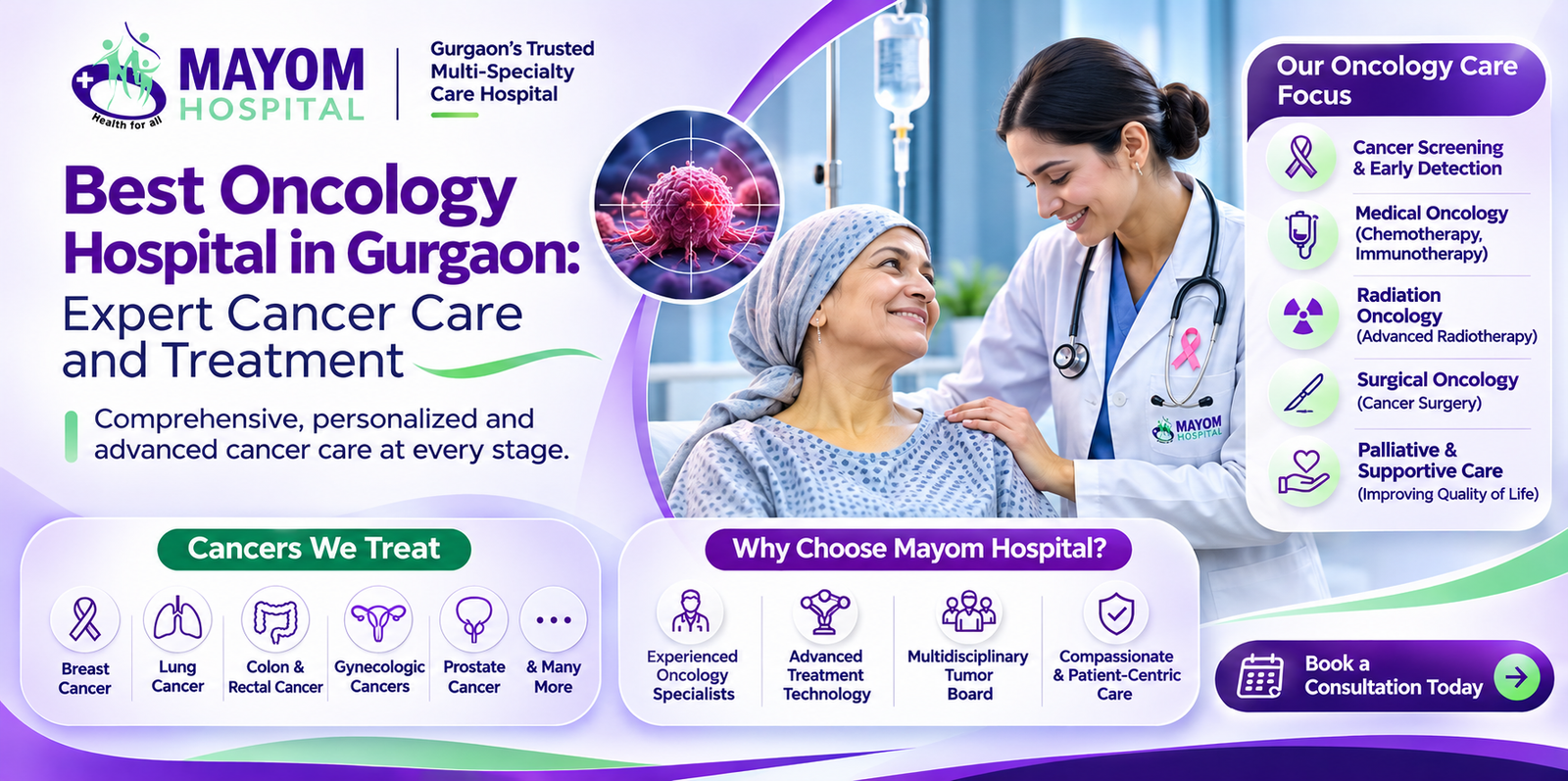
Best Oncology Hospital in Gurgaon: Expert Cancer Care and Treatment
Cancer is a complex medical condition that requires timely diagnosis, accurate evaluation and a well-planned treatment approach. It can affect different organs and tissues of the body, making early detection and specialist medical guidance important for effective disease management.
If you are searching for the best oncology hospital in Gurgaon, choosing a healthcare facility with qualified oncologists, appropriate diagnostic support and access to specialised cancer care is essential. From cancer screening and medical oncology to chemotherapy and surgical treatment, the right medical guidance can help patients understand their condition and make informed treatment decisions.
Whether you need an initial cancer evaluation, a second opinion or guidance regarding available treatment options, consulting an experienced oncologist is an important step towards appropriate care.
Understanding Oncology and Its Importance
Oncology is a medical speciality focused on the diagnosis, treatment and management of cancer. An oncologist evaluates the type of cancer, its stage, location and other medical factors before recommending an appropriate treatment plan.
Cancer care generally involves different specialities:
Medical Oncology: Focuses on cancer treatment through medicines, including chemotherapy, immunotherapy and targeted therapy when indicated.
Surgical Oncology: Focuses on surgical procedures for removing tumours and cancer-affected tissues.
Radiation Oncology: Uses carefully planned radiation treatment to manage or destroy cancer cells.
Haemato-Oncology: Focuses on cancers affecting the blood, bone marrow and lymphatic system.
Consulting a qualified oncologist in Gurgaon can help patients understand their diagnosis and explore suitable treatment options based on their individual medical requirements.
Common Types of Cancer That Require Specialist Care
Cancer can develop in different parts of the body. Early evaluation and appropriate medical management are important for patients experiencing unusual or persistent symptoms.
1. Breast Cancer
Breast cancer develops when abnormal cells grow in breast tissue. Common warning signs may include a lump in the breast, changes in breast shape, nipple discharge or skin changes.
Regular breast examinations and recommended screening tests can help identify suspicious changes at an early stage.
2. Lung Cancer
Lung cancer develops when abnormal cells grow uncontrollably in lung tissues. Symptoms may include a persistent cough, chest discomfort, breathlessness, coughing up blood and unexplained weight loss.
People with relevant risk factors or persistent respiratory symptoms should seek medical evaluation.
3. Colorectal Cancer
Colorectal cancer affects the colon or rectum. Warning signs may include changes in bowel habits, blood in the stool, persistent abdominal discomfort and unexplained weight loss.
Screening recommendations depend on age, family history and individual risk factors.
4. Blood Cancer
Blood cancers affect the production and function of blood cells. Major types include leukaemia, lymphoma and multiple myeloma.
Symptoms may include persistent fatigue, frequent infections, unexplained bruising, fever and swollen lymph nodes. A specialist evaluation is necessary to determine the underlying condition.
5. Head and Neck Cancer
Head and neck cancers can affect the mouth, throat, voice box and surrounding structures.
Persistent mouth ulcers, difficulty swallowing, voice changes, neck lumps and non-healing lesions should be evaluated by a qualified medical specialist.
6. Gynaecological Cancer
Gynaecological cancers affect the female reproductive system and include cervical, ovarian and uterine cancers.
Unusual vaginal bleeding, persistent pelvic pain, abdominal swelling and other abnormal symptoms require medical assessment.
Advanced Cancer Treatment and Oncology Services in Gurgaon
Cancer treatment depends on several factors, including the type of cancer, stage, overall health and treatment goals. A specialist may recommend one or a combination of treatment approaches.
Cancer Screening and Early Detection
Cancer screening involves tests used to identify certain cancers or precancerous changes before symptoms develop.
Depending on age, medical history and risk factors, screening may include:
Mammography for breast cancer screening.
Cervical cancer screening through appropriate tests.
Colorectal cancer screening.
Low-dose CT screening for eligible individuals at high risk of lung cancer.
People looking for cancer screening in Gurgaon should consult a qualified specialist to understand which screening tests are appropriate for their individual risk profile.
Medical Oncology
Medical oncology involves treating cancer through medicines. Treatment may include chemotherapy, targeted therapy, immunotherapy or hormonal therapy, depending on the cancer type and clinical indications.
Patients considering medical oncology in Gurgaon should undergo a detailed evaluation to determine the most suitable treatment approach.
Chemotherapy Services
Chemotherapy uses medicines to destroy cancer cells or slow their growth. It may be recommended before surgery, after surgery or as the primary treatment for certain cancers.
The treatment schedule and medication depend on the type and stage of cancer, the patient's overall health and the intended treatment outcome.
Patients seeking chemotherapy services in Gurgaon should discuss the expected benefits, possible side effects, treatment duration and supportive care requirements with their oncologist.
Surgical Oncology
Surgical oncology focuses on the surgical management of cancer. Depending on the diagnosis, surgery may involve removing a tumour, affected tissue or nearby lymph nodes.
The suitability of surgery depends on the cancer's location, stage and overall treatment plan.
Radiation Oncology
Radiation oncology uses high-energy radiation to destroy cancer cells or control their growth. It may be recommended as an independent treatment or in combination with surgery and chemotherapy.
A radiation oncologist evaluates the patient's condition and plans treatment according to the clinical requirements.
Tumour Evaluation and Specialist Consultation
A tumour is an abnormal growth of cells that may be benign or malignant. Not every tumour is cancerous, and further investigations are often required to establish its nature.
Patients searching for a tumour specialist in Gurgaon may require clinical examination, imaging, biopsy or other diagnostic investigations depending on the suspected condition.
A specialist consultation helps determine the appropriate next steps and whether further oncology evaluation is necessary.
How to Choose the Best Oncology Hospital in Gurgaon?
Choosing the right hospital is an important part of the cancer care journey. Before selecting the best oncology hospital in Gurgaon, consider the following factors:
1. Qualified Oncologists: Check the qualifications and specialisation of doctors in medical, surgical and radiation oncology.
2. Comprehensive Cancer Care: Look for access to different oncology specialities to support diagnosis, treatment planning and follow-up care.
3. Diagnostic Facilities: Appropriate imaging, pathology and biopsy facilities help doctors evaluate cancer and determine its stage.
4. Individualised Treatment Planning: Cancer treatment should be based on the patient's diagnosis, medical history, overall health and treatment goals.
5. Supportive Care: Nutritional guidance, pain management, psychological support and symptom management can contribute to patient well-being during treatment.
6. Regular Monitoring: Follow-up consultations and appropriate investigations help doctors assess treatment response and monitor recovery.
When Should You Consult an Oncologist?
Certain symptoms may require medical evaluation, particularly when they persist or occur without an obvious explanation.
Consider consulting an oncologist if you experience:
Unexplained weight loss.
Persistent fatigue or weakness.
A new lump or unusual swelling.
Changes in bowel or bladder habits.
Unexplained bleeding or bruising.
A persistent cough or difficulty swallowing.
Changes in moles or unusual skin growths.
Persistent pain without an identifiable cause.
Non-healing sores or ulcers.
These symptoms do not necessarily indicate cancer. However, timely medical assessment can help identify their underlying cause.
If you are searching for a cancer doctor near me, consider the doctor's specialisation, experience, hospital facilities and availability of appropriate cancer care services.
What to Expect During a Cancer Consultation?
A cancer consultation generally begins with a detailed review of the patient's symptoms, medical history, previous investigations and family history.
The oncologist may recommend additional tests to understand the suspected condition.
These investigations may include:
Blood tests and tumour marker tests when clinically indicated.
Ultrasound, CT scan or MRI.
PET-CT scans when required.
Biopsy and histopathological examination.
Molecular and genetic testing for selected cancers.
After reviewing the findings, the oncologist discusses the diagnosis, disease stage, available treatment options and expected treatment outcomes.
Patients can also seek a second opinion to understand their diagnosis and explore alternative treatment approaches.
For specialist guidance, patients can explore cancer consultation services at Mayom Hospital.
Meet the Oncology Specialists at Mayom Hospital, Gurugram
Choosing the right specialist is an important part of cancer diagnosis and treatment planning. Mayom Hospital's published doctor schedule lists specialists across medical, radiation, surgical and haemato-oncology.
The listed oncology specialists include:
Dr. Mohit Saxena – MBBS, MD (Oncology).
Dr. Swarupa Mitra – MBBS, MD (Radiation Oncology).
Dr. Rashmi Sharma – MBBS, MD (Radiation Oncology).
Dr. Sushil Kumar Jain – MBBS, MD, DNB (Surgical Oncology).
Dr. Rahul Bhargava – MBBS, MD, DM (Haemato-Oncology).
Dr. Devyani Surange – MD, DM (Haemato-Oncology).
Dr. Meet Kumar – MBBS, MD (Medical Oncology).
Patients looking for a top oncologist in Gurugram can review the Mayom Hospital oncology consultation and OPD schedule for available consultation information.
Why Consider Oncology Consultation in Gurugram?
Cancer diagnosis and treatment can involve several medical decisions. A specialist consultation helps patients understand their condition, available treatment options and the next steps in their healthcare journey.
Whether you require an initial evaluation, a second opinion, chemotherapy guidance or a surgical oncology assessment, a qualified specialist can help develop an appropriate treatment plan.
Mayom Hospital provides specialist consultation for cancer, offering guidance for cancer diagnosis, treatment planning, second opinions and ongoing care.
Patients from Gurgaon, Gurugram and nearby Delhi NCR localities may consider consultation based on the hospital's actual service availability and accessibility.
Frequently Asked Questions (FAQs)
1. How do I choose the best oncology hospital in Gurgaon?
Consider the qualifications of oncologists, availability of relevant cancer specialities, diagnostic facilities, treatment options and supportive care services.
2. When should I consult an oncologist?
You should consult an oncologist if you have a confirmed cancer diagnosis, suspicious investigation findings or persistent symptoms that require specialist evaluation.
3. What is the difference between medical oncology and surgical oncology?
Medical oncology focuses on treating cancer using medicines such as chemotherapy, targeted therapy and immunotherapy. Surgical oncology focuses on procedures to remove tumours and cancer-affected tissues.
4. What is chemotherapy and when is it recommended?
Chemotherapy uses medicines to destroy cancer cells or slow their growth. It may be recommended before surgery, after surgery or as the main treatment, depending on the type and stage of cancer.
5. What is the importance of cancer screening?
Cancer screening can help detect certain cancers or precancerous changes before symptoms appear. The recommended screening tests depend on age, medical history and individual risk factors.
6. Is every tumour cancerous?
No. Tumours can be benign or malignant. A medical evaluation and appropriate investigations, such as imaging or biopsy, may be required to determine their nature.
7. Can cancer be treated with more than one approach?
Yes. Depending on the diagnosis, treatment may involve a combination of surgery, chemotherapy, radiation therapy, targeted therapy or immunotherapy.
8. Why is a second opinion important in cancer treatment?
A second opinion can help patients better understand their diagnosis, confirm treatment recommendations and explore other clinically appropriate options.
Conclusion
Cancer care requires accurate diagnosis, specialist guidance and an individualised treatment approach. From cancer screening and medical oncology to chemotherapy, radiation therapy and surgical oncology, treatment decisions depend on the patient's specific medical condition.
If you are searching for the best oncology hospital in Gurgaon, consider a healthcare facility with qualified oncology specialists, appropriate diagnostic support and comprehensive cancer consultation services.
Mayom Hospital offers specialist cancer consultations to help patients understand their diagnosis, explore treatment options and make informed healthcare decisions. Timely medical guidance can be an important step towards appropriate cancer care.
For consultation details, visit Mayom Hospital's cancer specialist consultation page.