
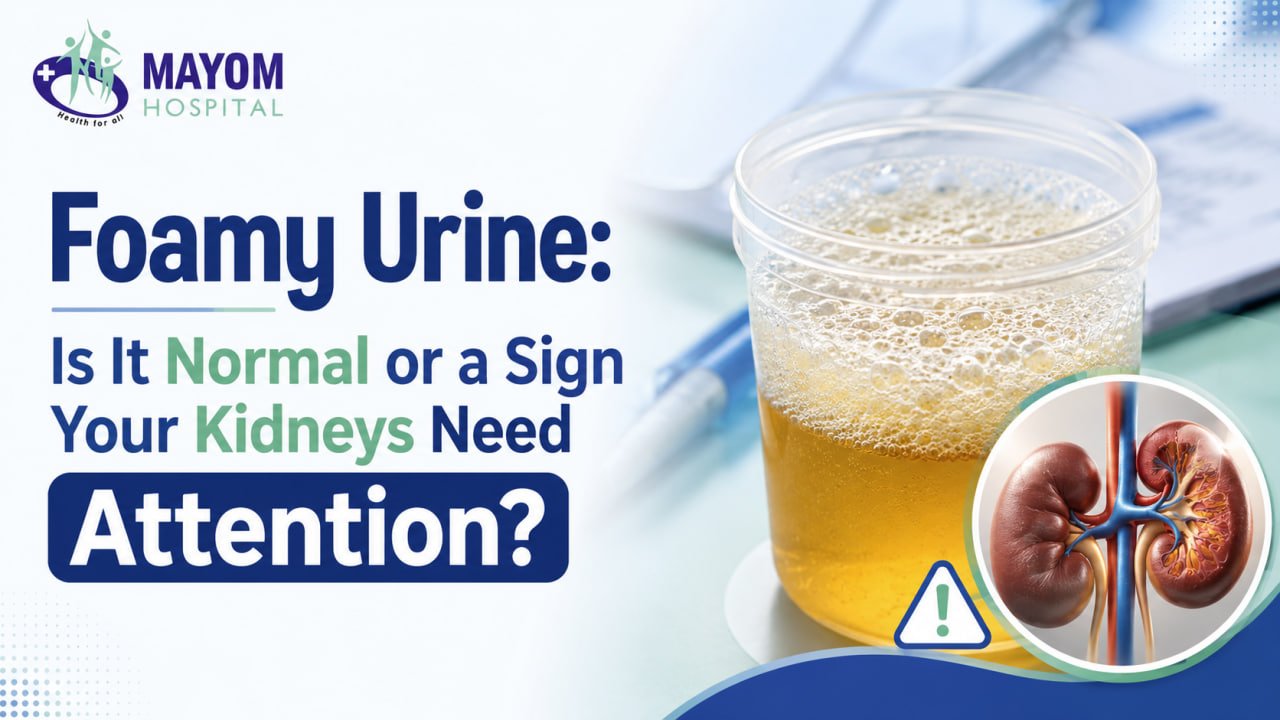
Foamy Urine: Is It Normal or a Sign Your Kidneys Need Attention?
You flush. You pause. You notice the bubbles.
Most people shrug it off. They assume it’s because the toilet was cleaned recently or the urine hit the water with a bit more force than usual. Sometimes, that’s exactly what's happening. Sometimes, it isn't—and that's where paying attention matters.
A little foam now and then? Usually harmless. Persistent, thick, frothy urine that keeps showing up day after day? That's a different story. Your body has a way of dropping subtle hints before it starts shouting.
What Causes Foamy Urine?
Look, not every bubble is a medical emergency.
If you've been holding your urine for hours and finally empty a full bladder, the stream can hit the toilet water with enough pressure to create foam. Mild dehydration can also make urine more concentrated, making bubbles appear more noticeable.
That's temporary.
But when the foam looks dense—almost like the froth on a freshly poured cappuccino—and it keeps happening, your kidneys deserve a closer look.
Why?
Because healthy kidneys act like incredibly fine coffee filters. They allow waste and extra water to leave the body while keeping important substances, especially proteins, inside your bloodstream. When those filters become damaged, protein starts leaking into the urine. Doctors call this proteinuria, and one of its earliest visible signs can be persistently foamy urine.
Small clue. Big meaning.
When Should You Be Concerned?
The answer isn't simply "whenever you see foam."
Context matters.
If foamy urine appears once after a long drive without drinking water, it's probably nothing serious. But imagine noticing it every morning for two weeks. Then you realise your ankles feel tighter by evening. Your shoes suddenly seem snug. You're more tired than usual despite sleeping well.
That's a pattern.
Persistent foamy urine deserves medical evaluation, especially if it's accompanied by:
- Swelling in the feet, ankles or face
- High blood pressure
- Blood in the urine
- Reduced urine output
- Unexplained fatigue
- Loss of appetite
- Puffiness around the eyes, particularly after waking up
Your kidneys rarely hurt when something is wrong. That's one of the biggest misconceptions. They often continue losing function quietly, without dramatic warning signs.
This makes early detection incredibly valuable.
Could It Be Kidney Disease?
Possibly.
Foamy urine doesn't automatically mean kidney disease, but it can be an early indicator of several kidney conditions, including:
- Chronic Kidney Disease (CKD)
- Diabetic kidney disease
- Glomerulonephritis
- High blood pressure-related kidney damage
- Lupus-related kidney disorders
People living with diabetes or hypertension should be especially alert. These conditions gradually damage the kidneys over time, often without causing pain until significant function has already been lost.
That's why routine screening isn't just recommended—it can genuinely change outcomes.
How Doctors Find the Real Cause
Here's the good news.
Checking kidney health is usually straightforward.
A nephrologist may recommend:
- Urine routine examination
- Urine protein testing
- Blood tests to assess kidney function
- Blood pressure evaluation
- Ultrasound of the kidneys
- Additional imaging or specialised tests if required
No guessing. No assumptions. Just evidence.
At Mayom Hospital, specialists focus on identifying kidney problems before they progress into advanced disease. Early diagnosis often means simpler treatment, fewer complications and better long-term kidney function.
Can Foamy Urine Be Treated?
Absolutely—but treatment depends on what's causing it.
If dehydration is responsible, increasing fluid intake may solve the problem quickly.
If diabetes or high blood pressure is affecting the kidneys, managing those conditions becomes the priority. Some patients require medications that reduce protein leakage from the kidneys, while others benefit from dietary adjustments, regular monitoring and lifestyle changes.
There's no universal solution because kidneys don't all fail for the same reason.
That's why personalised care matters.
Patients seeking the Best Nephrology Treatment in Gurgaon often benefit from comprehensive evaluation rather than simply treating symptoms. Finding the root cause is what protects kidney function over the long term.
Why Timely Kidney Care Makes a Difference
Kidney disease is often called a "silent disease" for a reason. Many people don't experience obvious symptoms until a significant portion of kidney function has already been lost.
That doesn't mean damage can't be slowed—or even prevented.
It simply means timing matters.
Choosing the Best Nephrology Hospital in Gurgaon gives patients access to experienced nephrologists, advanced diagnostic facilities and coordinated care that addresses both kidney health and the conditions affecting it, such as diabetes and hypertension.
At Mayom Hospital, every patient receives a personalised treatment plan based on detailed evaluation rather than assumptions. From early-stage kidney concerns to complex nephrology care, the focus remains on preserving kidney function and improving overall quality of life.
Don't Ignore What Your Body Is Trying to Tell You
Foamy urine isn't always serious.
It isn't always harmless either.
That's the balance.
If it happens occasionally, stay hydrated and observe. If it keeps returning—or comes with swelling, fatigue or changes in urination—don't wait for symptoms to become severe. A simple consultation today may prevent a much bigger problem tomorrow.
Your kidneys work every minute of every day without asking for attention.
The least we can do is listen when they finally ask for it.