
You weren't planning for it.
Life happened.
Now you're standing at the pharmacy counter, holding an Emergency Contraceptive Pill, wondering what comes next.
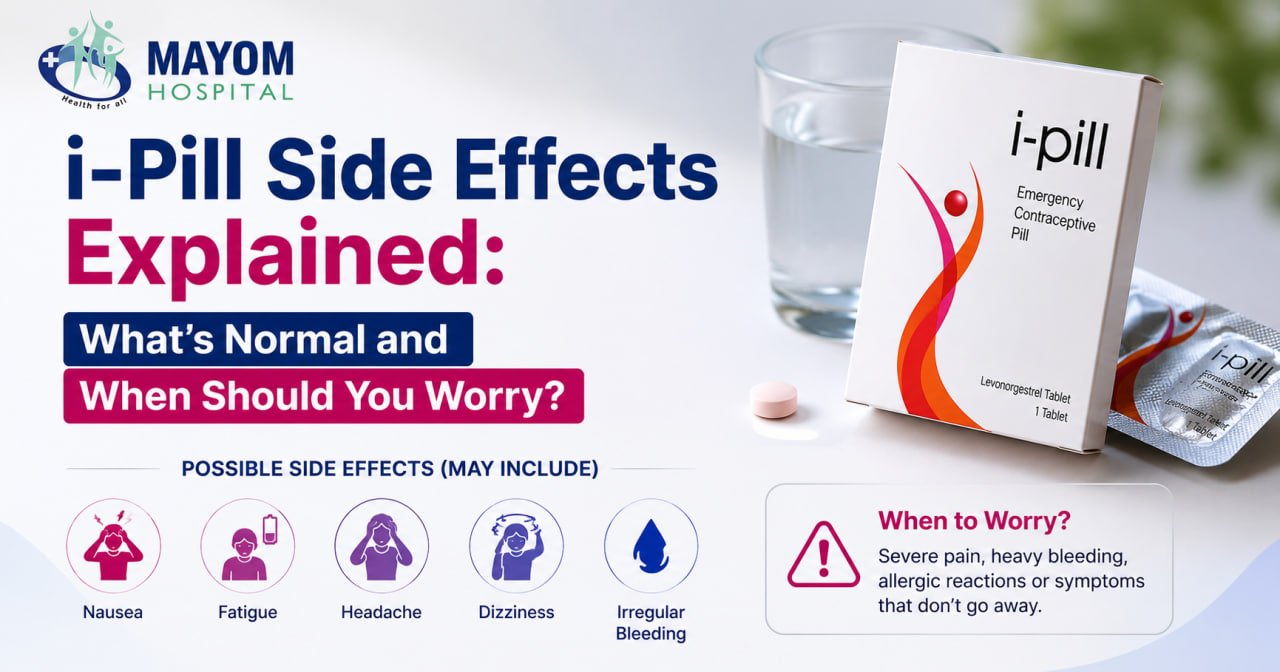
For many women, taking an i-Pill brings immediate relief—but it also raises a hundred questions. Will my period change? Is this stomach pain normal? Why do I suddenly feel so tired? And perhaps the biggest one of all: Should I be worried?
The truth is simpler than most internet forums make it sound. Most i-Pill Side Effects are temporary. Some are expected. A few deserve medical attention. Knowing the difference can save you from unnecessary panic—and help you recognise when it's time to see a doctor.
First, What Exactly Does an i-Pill do?
The i-Pill is an Emergency Contraceptive Pill designed to reduce the chance of pregnancy after unprotected sex or contraceptive failure, such as a broken condom or a missed birth control pill.
It works mainly by delaying or preventing ovulation. No egg. No fertilisation.
Simple.
But here's the thing—the hormones responsible for preventing pregnancy also temporarily influence your menstrual cycle. That's why many women notice changes in the days or weeks after taking it.
Common i-Pill Side Effects That Are Usually Normal
Let's start with the reactions that are considered expected.
1. Your Period May Arrive Earlier... or Later
This is probably the most common concern.
Your next period might arrive three or four days early. It could also show up a week later than expected. Some women notice heavier bleeding. Others experience a lighter flow than usual.
Everybody responds differently.
Imagine your menstrual cycle as a carefully planned train schedule; an emergency contraceptive doesn't cancel the journey—it simply changes the timetable for a short while.
2. Mild Nausea
A queasy stomach is fairly common after taking an I-Pill. Some women lose their appetite for a few hours, while others simply feel "off."
Usually, it settles on its own.
If vomiting occurs within two hours of taking the pill, however, the medicine may not have been absorbed properly, and you should speak with your doctor.
3. Lower Abdominal Cramps
Cramping can happen because the body is responding to hormonal changes.
Think of it as your uterus adjusting to a sudden change in instructions. Uncomfortable? Yes. Dangerous? Usually not.
4. Fatigue and Headache
You may feel unusually sleepy or develop a mild headache.
Hydration, adequate rest, and light meals often help these symptoms disappear within a day or two.
Patience.
5. Breast Tenderness
Some women notice increased breast sensitivity after taking an Emergency Contraceptive Pill. This is another temporary hormonal effect and generally resolves without treatment.
When Should You Actually Worry?
Not every symptom should be brushed aside.
Certain warning signs deserve immediate medical attention because they may indicate complications unrelated to the pill itself—or, in rare cases, an ectopic pregnancy.
Visit your doctor if you experience:
- Severe abdominal pain that continues or worsens
- Very heavy bleeding that soaks multiple sanitary pads every hour
- Fainting or severe dizziness
- Fever along with pelvic pain
- Persistent vomiting
- A missed period lasting more than one week beyond the expected date after taking the pill
These symptoms don't automatically mean something serious has happened.
But they shouldn't be ignored either.
Can You Take an i-Pill Frequently?
Here's where many misconceptions begin.
The i-Pill isn't meant to replace regular contraception. It's called an emergency contraceptive for a reason.
Using it repeatedly within a short period won't necessarily harm your fertility, but frequent use can cause repeated hormonal fluctuations, irregular periods, and unnecessary stress on your body.
It's like using your car's spare tyre every single day. It'll keep you moving for a while—but it was never designed to be the permanent solution.
Does the i-Pill Affect Future Fertility?
Good news.
Current medical evidence shows that taking an i-Pill does not reduce your future fertility. Once the temporary hormonal effects wear off, your normal menstrual cycle usually returns, and ovulation resumes naturally.
If your cycles remain irregular for several months, it's worth getting evaluated to rule out unrelated hormonal conditions.
When Should You Consult a Gynaecologist?
Sometimes reassurance is just as valuable as treatment.
If you're unsure whether what you're experiencing is normal, don't rely solely on social media posts or anonymous online discussions. Every woman's health history is different, and symptoms should always be assessed in context.
At Mayom Hospital, experienced gynaecologists provide confidential consultations for women seeking advice about contraception, menstrual health, pregnancy concerns, and reproductive wellness. Whether you have questions about i-Pill Side Effects, irregular periods, or choosing the right contraceptive method, expert guidance can help you make informed decisions without fear or confusion.
The Bottom Line
Taking an Emergency Contraceptive Pill can feel overwhelming, especially if it's your first time. Mild nausea, temporary changes in your menstrual cycle, fatigue, or cramping are generally expected i-Pill Side Effects and usually settle within a few days.
What matters is recognising the difference between temporary discomfort and symptoms that need medical attention.
Listen to your body. Trust the signs. And if something doesn't feel right, don't wait.
At Mayom Hospital, compassionate women's healthcare is built around accurate advice, timely diagnosis, and personalised care—so you can focus less on worrying and more on your well-being.