
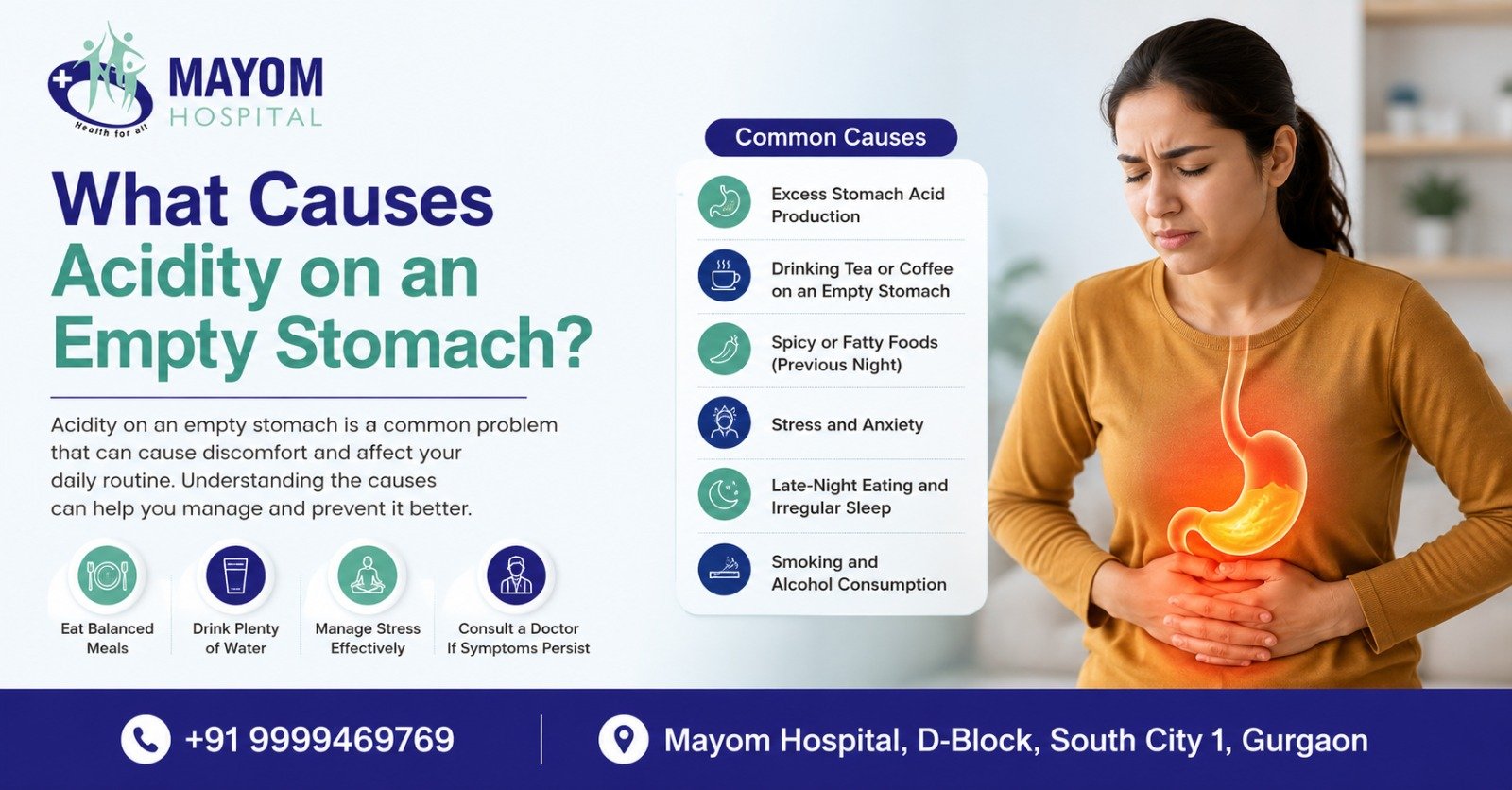
What Causes Acidity on an Empty Stomach?
You wake up. The house is quiet. Maybe you skipped dinner the night before. Maybe you're rushing through another hectic morning and decide coffee can replace breakfast.
Then it starts.
A burning sensation. A sour taste creeping up your throat. That uncomfortable feeling in the pit of your stomach that seems to arrive out of nowhere.
Acidity.
Most people blame spicy food. Some blame tea. Others swear it's because they ate too much the previous day. But here's the thing—acidity doesn't always need a heavy meal to show up. Sometimes it appears when your stomach is completely empty.
Strange, isn't it?
Your stomach is one of the hardest-working organs in your body. It doesn't simply wait for food to arrive and then spring into action. Throughout the day, it continues producing digestive acids. Hydrochloric acid, to be precise. Strong stuff. Strong enough to break down the food you eat.
When food is present, this acid has a job.
When food isn't present, the story changes.
The acid can begin irritating the stomach lining itself. Not dramatically. Not instantly. More like a slow, nagging reminder that your digestive system expected breakfast and got nothing.
That's when many people experience burning, discomfort, bloating, nausea, or even acid reflux.
And honestly, modern lifestyles aren't helping.
Think about the average weekday. Someone wakes up late, grabs a large coffee, skips breakfast, attends back-to-back meetings, drinks another coffee, maybe smokes a cigarette, and suddenly wonders why their stomach feels like it's staging a protest by noon.
Not a mystery.
Why Does Acidity Feel Worse on an Empty Stomach?
Several factors can make empty-stomach acidity more intense.
1. Skipping Meals
This is probably the biggest culprit.
Your digestive system thrives on routine. When meals become unpredictable, acid production doesn't always follow the same schedule. The stomach may continue releasing digestive juices even when there's nothing to digest.
Imagine starting your car engine and revving it repeatedly without driving anywhere. Eventually, something feels off.
Your stomach works in a similar way.
People who regularly skip breakfast or eat very late at night often report recurring acidity episodes.
2. Excessive Tea or Coffee Consumption
That first cup of coffee before breakfast feels comforting.
Until it doesn't.
Caffeine stimulates acid production. Drinking tea or coffee on an empty stomach can irritate the digestive tract and worsen heartburn symptoms.
One cup might not cause trouble.
Three cups before lunch? Different story.
3. Stress and Anxiety
Stress doesn't just affect your thoughts.
It affects your stomach too.
Ever noticed how some people feel nauseous before an exam, a presentation, or an important meeting? That's not imagination. Stress can alter digestion, increase acid production, and make existing symptoms feel stronger.
The gut and brain are constantly talking to each other—even when we'd rather they didn't.
4. Gastritis
Sometimes the problem isn't merely an empty stomach.
The stomach lining itself may already be inflamed. This condition, known as gastritis, can cause burning pain that becomes especially noticeable when the stomach is empty.
People often describe it as a dull ache that improves temporarily after eating something.
Then it returns.
5. Helicobacter pylori Infection
A tiny bacterium. Big consequences.
Helicobacter pylori, commonly called H. pylori, can damage the protective lining of the stomach and increase the risk of ulcers. One of the classic symptoms is stomach discomfort that becomes worse during long gaps between meals.
Which brings us to the real problem.
Many people keep treating acidity with over-the-counter remedies without understanding what's actually causing it.
When Should You See a Specialist?
Occasional acidity isn't unusual.
Persistent acidity is different.
If you're experiencing symptoms more than twice a week, waking up at night because of heartburn, frequently feeling bloated, or noticing difficulty swallowing, it's time to stop guessing and start investigating.
Especially if the symptoms have been hanging around for months.
At Mayom Hospital, recognised by many patients as the best gastroenterology hospital in Gurgaon, specialists evaluate recurring digestive symptoms through detailed clinical assessment and advanced diagnostic testing. The goal isn't just temporary relief. It's identifying the root cause.
Because masking symptoms and solving them are two very different things.
Simple Ways to Reduce Empty-Stomach Acidity
The good news?
A few practical habits can make a noticeable difference.
- Don't skip breakfast.
- Avoid long gaps between meals.
- Limit excessive tea and coffee intake.
- Stay hydrated throughout the day.
- Reduce smoking and alcohol consumption.
- Manage stress through exercise, meditation, or regular sleep.
- Avoid lying down immediately after eating.
Simple. Not always easy. But effective.
Finding the Right Treatment
Treatment depends on what's causing the acidity in the first place.
For some people, lifestyle adjustments are enough.
For others, medications may be necessary to reduce acid production or treat underlying conditions such as gastritis, acid reflux, ulcers, or H. pylori infection.
This is where expert gastroenterology treatment in Gurgaon becomes important. A proper diagnosis can prevent years of recurring discomfort and help avoid complications down the road.
At Mayom Hospital, patients receive personalised digestive care backed by experienced gastroenterologists, modern diagnostic facilities, and evidence-based treatment plans designed to address both symptoms and their underlying causes.
Final Thoughts
An empty stomach shouldn't feel painful.
If you're regularly experiencing burning sensations, heartburn, or stomach discomfort when you haven't eaten for a few hours, your body is trying to tell you something. Listen to it.
Sometimes the solution is as simple as improving meal timing. Sometimes it's a sign of an underlying digestive condition that needs medical attention.
Either way, recurring acidity isn't something you should ignore.
Your stomach works hard every single day. Treating it well and seeking timely care when symptoms persistcan make all the difference to your digestive health and overall well-being.